
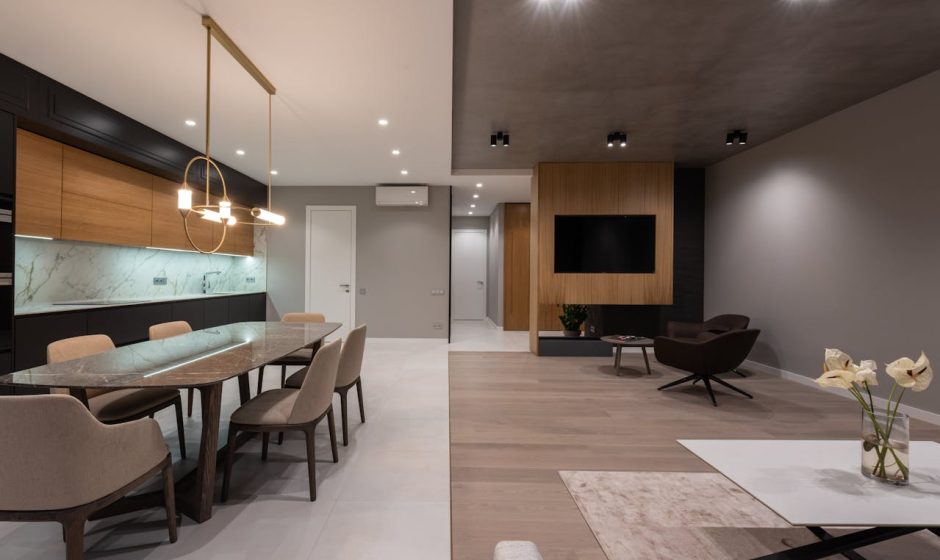

This philosophy captures the essence of minimalism—removing the unnecessary to highlight what truly matters. Storage plays a crucial role in maintaining a minimalist environment. Clean, organized storage solutions help keep surfaces clear and reduce visual noise. Closed cabinets, hidden compartments, and streamlined shelving units allow you to store essentials out of sight while maintaining easy access. The goal is to create a sense of openness where everything has its place. Color palettes in minimalist homes are typically soft and neutral, creating a calming backdrop. Shades of white, beige, gray, and muted earth tones reflect light and make spaces feel more expansive. These colors also provide a cohesive look that enhances the overall sense of harmony. Subtle variations in tone can add depth without overwhelming the space. Furniture selection is another key aspect of minimalist design. Instead of filling a room with multiple pieces, choose fewer items with clean lines and high functionality. Quality should take precedence over quantity. A well-crafted sofa, a sturdy dining table, or a thoughtfully designed chair can become focal points that define the space. Minimalism also embraces the concept of “breathing room.” Leaving space between furniture and décor elements allows each piece to stand out and prevents the room from feeling crowded. Negative space is not empty—it is an intentional part of the design that enhances balance and flow.“Good design is as little design as possible.”
– Dieter Rams
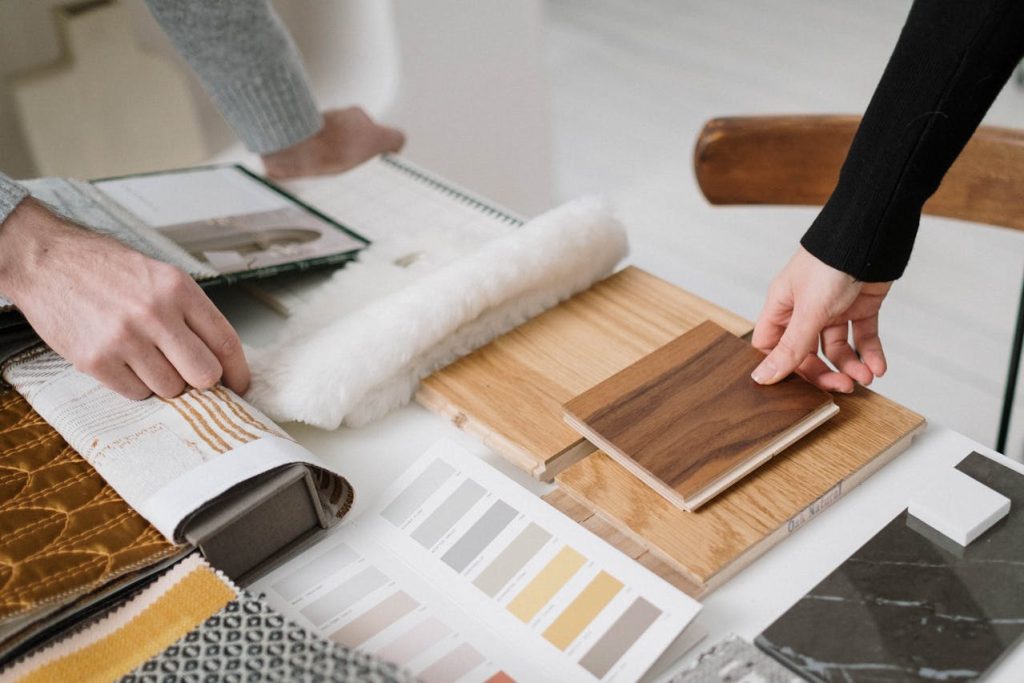 Lighting further enhances the minimalist aesthetic. Natural light is especially important, as it highlights clean lines and neutral tones. Keeping windows unobstructed and using sheer curtains allows light to fill the space. Layered lighting—such as soft overhead fixtures combined with subtle accent lighting—adds warmth without creating clutter.
While minimalism focuses on simplicity, it does not mean eliminating personality. Thoughtfully chosen décor pieces can add character and meaning to a space. A single artwork, a sculptural vase, or a textured throw can add visual interest without disrupting the overall balance. The key is to be selective and intentional.
Another important element of minimalist living is consistency. Maintaining a clutter-free home requires ongoing effort and mindful habits. Regularly reassessing your belongings and avoiding unnecessary purchases helps preserve the simplicity you’ve created. Over time, these habits become part of a more intentional lifestyle.
Minimalism also extends beyond physical space—it influences how we interact with our surroundings. A clean, organized home can reduce stress, improve focus, and create a more peaceful environment. When distractions are minimized, it becomes easier to relax and enjoy the space you’ve curated.
Ultimately, the art of minimalism lies in creating a home that feels both functional and serene. By focusing on intentional design, thoughtful organization, and meaningful choices, you can transform your living space into a clutter-free sanctuary that reflects clarity, style, and purpose.
In a world filled with constant noise and excess, minimalism offers a refreshing alternative—one where less truly becomes more.
Lighting further enhances the minimalist aesthetic. Natural light is especially important, as it highlights clean lines and neutral tones. Keeping windows unobstructed and using sheer curtains allows light to fill the space. Layered lighting—such as soft overhead fixtures combined with subtle accent lighting—adds warmth without creating clutter.
While minimalism focuses on simplicity, it does not mean eliminating personality. Thoughtfully chosen décor pieces can add character and meaning to a space. A single artwork, a sculptural vase, or a textured throw can add visual interest without disrupting the overall balance. The key is to be selective and intentional.
Another important element of minimalist living is consistency. Maintaining a clutter-free home requires ongoing effort and mindful habits. Regularly reassessing your belongings and avoiding unnecessary purchases helps preserve the simplicity you’ve created. Over time, these habits become part of a more intentional lifestyle.
Minimalism also extends beyond physical space—it influences how we interact with our surroundings. A clean, organized home can reduce stress, improve focus, and create a more peaceful environment. When distractions are minimized, it becomes easier to relax and enjoy the space you’ve curated.
Ultimately, the art of minimalism lies in creating a home that feels both functional and serene. By focusing on intentional design, thoughtful organization, and meaningful choices, you can transform your living space into a clutter-free sanctuary that reflects clarity, style, and purpose.
In a world filled with constant noise and excess, minimalism offers a refreshing alternative—one where less truly becomes more.