

 Choosing the right color temperature is another crucial factor. Warm lighting, typically in the range of 2700K to 3000K, creates a cozy and inviting atmosphere—ideal for living rooms and bedrooms. Cooler lighting, around 3500K to 5000K, is better suited for kitchens, bathrooms, and workspaces where clarity and focus are important.
Dimmers are an often-underestimated feature that can dramatically improve lighting flexibility. Installing dimmer switches allows you to adjust brightness levels according to the time of day or mood. This simple upgrade can transform a room from bright and functional during the day to soft and relaxing in the evening.
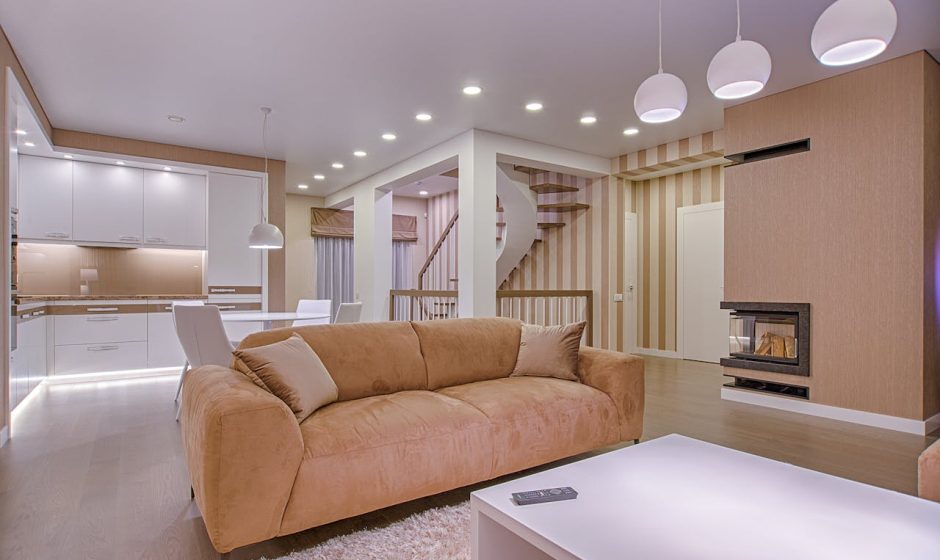
Statement lighting fixtures can also serve as focal points within a room. A well-chosen chandelier, pendant light, or sculptural lamp can act as both a functional element and a piece of art. In smaller spaces, a bold lighting fixture can draw the eye upward, creating the illusion of height and openness.
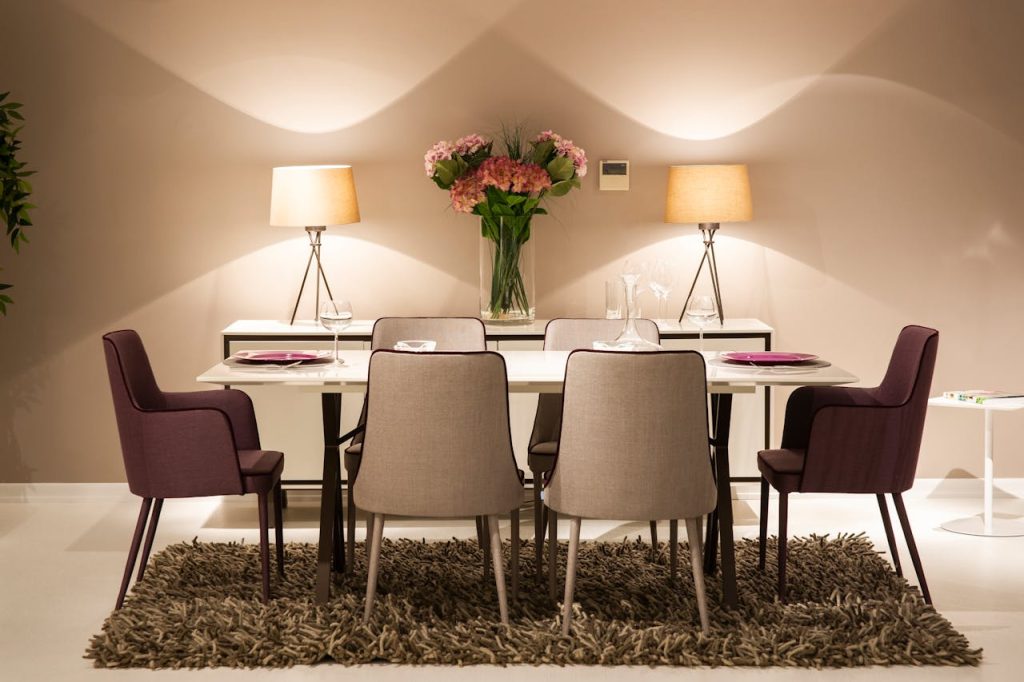
Layering light at different heights adds another level of sophistication. Combining floor lamps, table lamps, and overhead lighting creates a dynamic environment that feels balanced and thoughtfully designed. This approach prevents harsh shadows and ensures even illumination throughout the room.
Smart lighting technology is also gaining popularity in modern homes. Smart bulbs and systems allow users to control brightness, color temperature, and even lighting schedules through mobile apps or voice commands. These systems not only add convenience but also help optimize energy usage.
Another important consideration is the placement of lighting fixtures. Poorly positioned lights can create glare or unwanted shadows. For example, placing lights too high or too directly above seating areas can result in harsh lighting. Instead, positioning lights at eye level or slightly above creates a more flattering and comfortable effect.
Choosing the right color temperature is another crucial factor. Warm lighting, typically in the range of 2700K to 3000K, creates a cozy and inviting atmosphere—ideal for living rooms and bedrooms. Cooler lighting, around 3500K to 5000K, is better suited for kitchens, bathrooms, and workspaces where clarity and focus are important.
Dimmers are an often-underestimated feature that can dramatically improve lighting flexibility. Installing dimmer switches allows you to adjust brightness levels according to the time of day or mood. This simple upgrade can transform a room from bright and functional during the day to soft and relaxing in the evening.
Statement lighting fixtures can also serve as focal points within a room. A well-chosen chandelier, pendant light, or sculptural lamp can act as both a functional element and a piece of art. In smaller spaces, a bold lighting fixture can draw the eye upward, creating the illusion of height and openness.
Layering light at different heights adds another level of sophistication. Combining floor lamps, table lamps, and overhead lighting creates a dynamic environment that feels balanced and thoughtfully designed. This approach prevents harsh shadows and ensures even illumination throughout the room.
Smart lighting technology is also gaining popularity in modern homes. Smart bulbs and systems allow users to control brightness, color temperature, and even lighting schedules through mobile apps or voice commands. These systems not only add convenience but also help optimize energy usage.
Another important consideration is the placement of lighting fixtures. Poorly positioned lights can create glare or unwanted shadows. For example, placing lights too high or too directly above seating areas can result in harsh lighting. Instead, positioning lights at eye level or slightly above creates a more flattering and comfortable effect.
Her insight reflects the powerful role lighting plays in shaping how we experience our surroundings. Ultimately, great lighting design is about balance, intention, and creativity. By combining different types of lighting, choosing the right tones, and paying attention to placement, you can transform any room into a space that feels both functional and visually stunning. With a few thoughtful adjustments, lighting can move beyond utility and become one of the most impactful design elements in your home.“Lighting is everything—it creates mood, atmosphere, and drama in a space.”
– Kelly Wearstler