By Natalie Brooks
April 9, 2026
Focus on Comfort as the Foundation
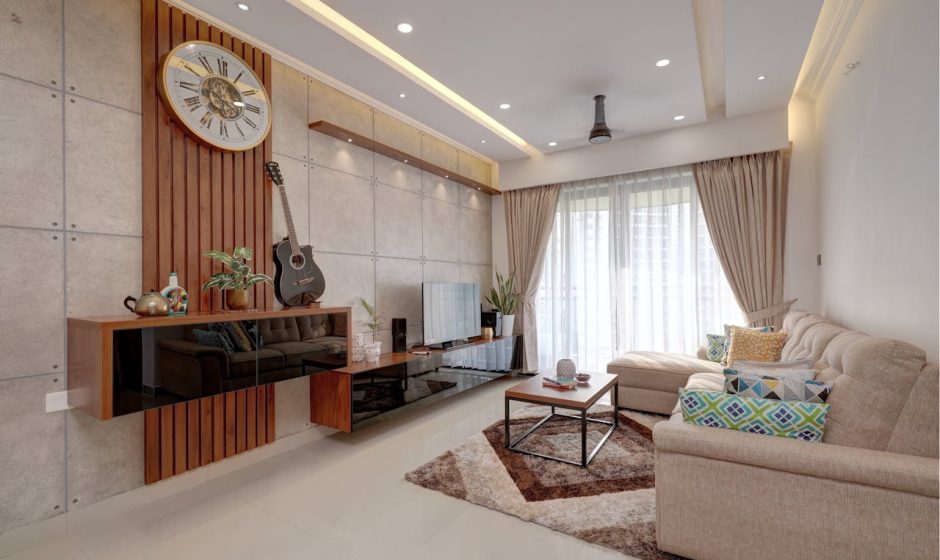
A living room is often one of the most used spaces in a home, which is why comfort should always be the foundation when designing or decorating it. While style and appearance are important, a living room should first feel welcoming, relaxing, and easy to spend time in. Comfortable seating is one of the most important elements in the room. Arranging seating in a way that encourages conversation and relaxation can make the space feel more inviting. Instead of placing everything against the walls, arranging seating closer together can create a more comfortable and connected environment. Soft textures such as cushions, throws, and rugs can also make the room feel warmer and more comfortable. These small additions can significantly change how a room feels without requiring major changes. Lighting is another important factor when creating a comfortable living room. Soft lighting often makes a space feel more relaxing compared to very bright lighting. Using multiple light sources instead of one central light can help create a more balanced and comfortable atmosphere. Natural light also plays an important role, so keeping windows open and allowing light to enter the room can make the space feel more open and pleasant. Another important aspect of comfort is keeping the space organized and uncluttered. Too many items in a living room can make it feel crowded and stressful instead of relaxing. Keeping surfaces clean and maintaining a balanced arrangement of furniture and décor helps create a more peaceful environment. Comfort also comes from functionality, so arranging furniture in a way that makes movement easy and natural can improve the overall feel of the room. A comfortable living room should be a place where you can relax, spend time with others, or simply unwind after a long day.
Balance Style with Simplicity
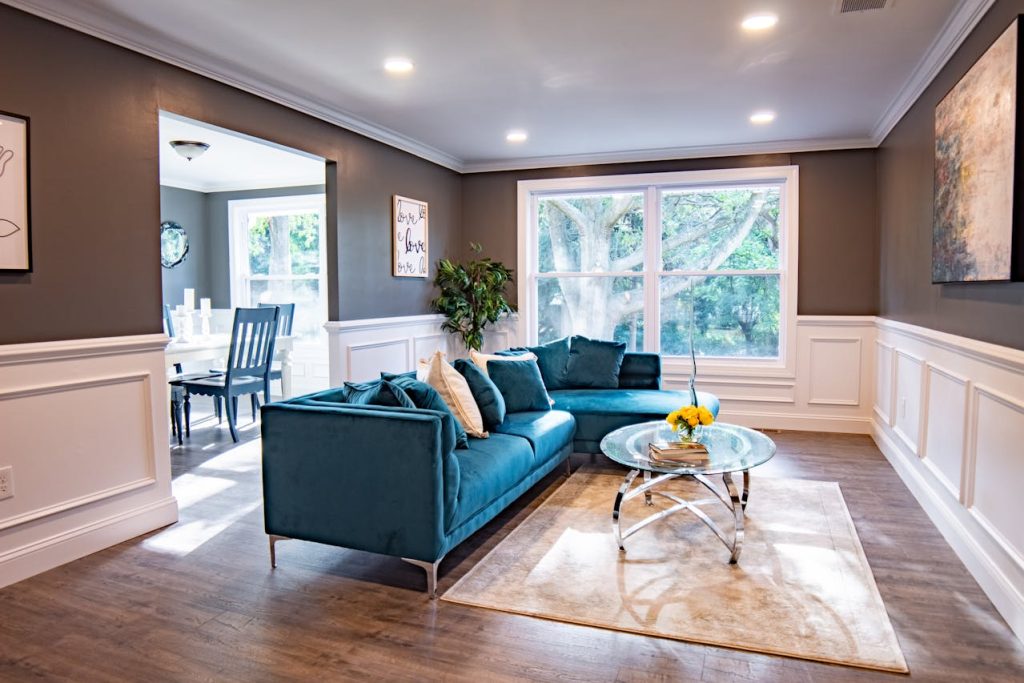
While comfort is important, style helps give the living room personality and visual appeal. A stylish living room does not require expensive items or complicated design ideas. In many cases, simplicity creates a more elegant and timeless look. Choosing a consistent color palette is one of the easiest ways to make a living room look stylish. Neutral colors combined with a few accent colors often create a balanced and visually pleasing environment. Too many colors can make a room feel busy, while a simple color scheme creates harmony and balance. Another important element of style is texture. Combining different textures such as fabric, wood, and soft materials can add depth and interest to the room without making it look cluttered. Wall décor can also play an important role in making the room look stylish. A few well-placed decorative items or artwork pieces can make a big difference in the overall appearance of the space. However, it is important not to overcrowd the walls or shelves. Leaving some empty space helps the room feel more open and balanced. Furniture placement also affects the style of the room. Arranging furniture in a balanced way and leaving enough space for movement can make the room look more organized and visually appealing. The goal is to create a space that looks stylish but still feels comfortable and practical for everyday use.
Use Lighting and Layout to Improve the Space
Lighting and layout are often overlooked, but they play a major role in how a living room looks and feels. A well-planned layout can make even a small living room feel spacious and comfortable. The first step is to arrange furniture in a way that creates a natural flow through the room. There should be enough space to move around comfortably without obstacles. The layout should also focus on a central area, such as a seating arrangement, which becomes the main part of the room. Lighting should be layered to create a comfortable and stylish atmosphere. Instead of relying on one overhead light, using a combination of floor lamps, table lamps, and natural light can create a more balanced and comfortable environment. Soft lighting makes the room feel more relaxing, while brighter lighting can be used for activities like reading or working. Mirrors can also be used to reflect light and make the room feel larger and brighter. Another important detail is keeping the room balanced. If one side of the room has too many items and the other side is empty, the room can feel uneven. Distributing furniture and décor evenly helps create a more balanced and visually pleasing space. A well-balanced layout makes the room feel more organized and comfortable.
Add Personal Touches Without Creating Clutter
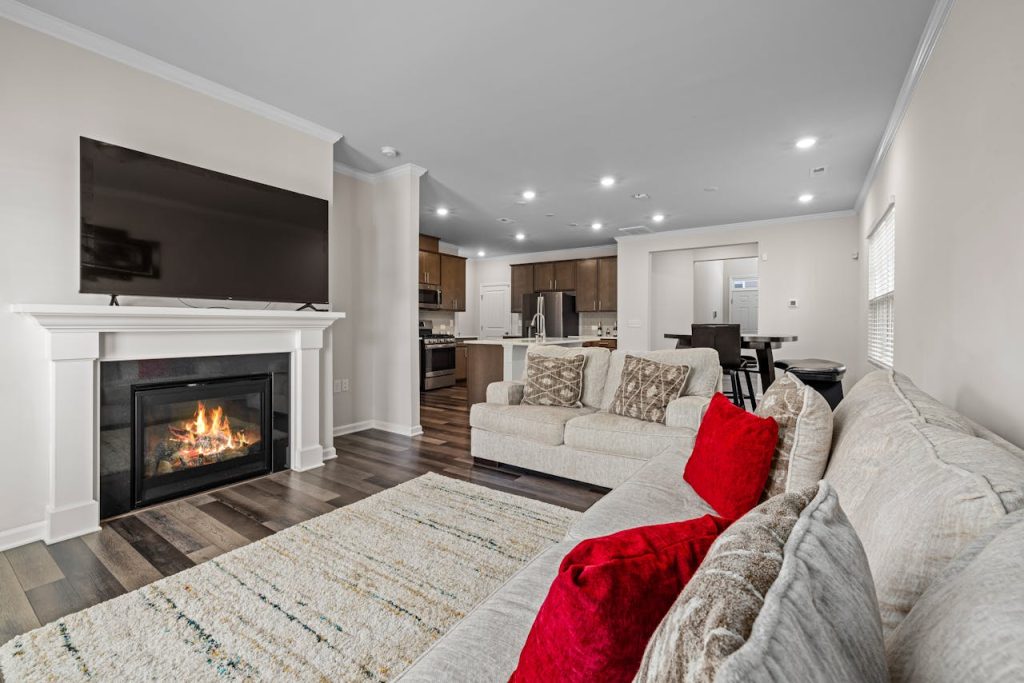
A living room should reflect your personal style and preferences, but it is important to add personal touches in a balanced way. Too many decorative items can make the room feel cluttered and overwhelming. Instead, choosing a few meaningful decorative items can make the space feel personal and welcoming without making it look crowded. Decorative cushions, rugs, wall décor, and simple decorative pieces can add personality to the room while maintaining a clean and stylish look. Plants are another great way to make a living room feel fresh and lively. Even a few small decorative elements can make the room feel complete and well-designed. It is also helpful to occasionally rearrange items or update small decorations to keep the room feeling fresh and new. Maintaining a stylish and comfortable living room is not about constantly adding new items but about arranging and maintaining what you already have in a thoughtful way. Regularly organizing and decluttering the room helps maintain both comfort and style over time. Ultimately, creating a comfortable and stylish living room is about balance. Comfort, style, lighting, layout, and personal touches all work together to create a space that feels both beautiful and practical. When these elements are balanced properly, the living room becomes a space where you can relax, spend time with others, and enjoy your surroundings in a comfortable and stylish environment.