
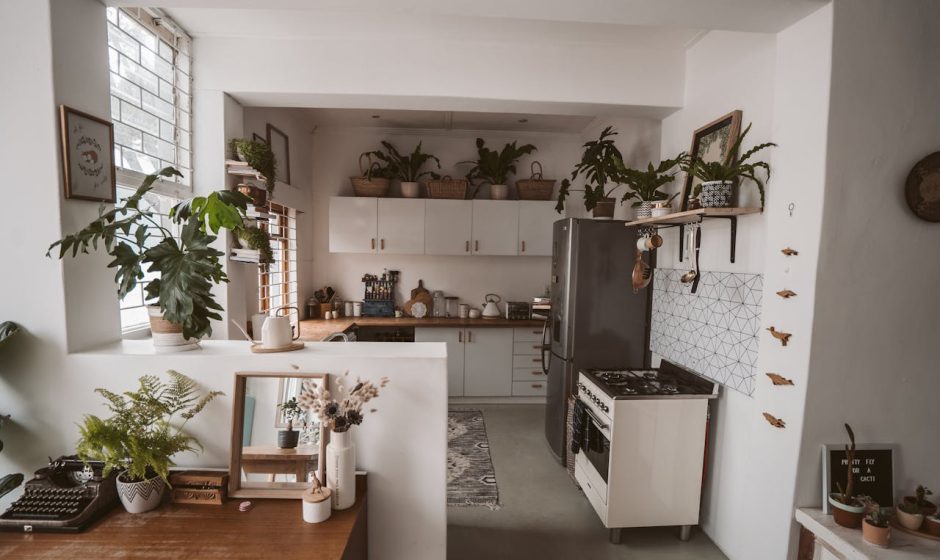

Small spaces often come with big design challenges—but they also offer some of the most exciting opportunities for creativity. With thoughtful planning and smart styling choices, even the tiniest rooms can feel open, functional, and visually striking. Today’s design philosophy is no longer about square footage; it’s about how effectively a space works and how beautifully it reflects your lifestyle.
Color plays a crucial role in how a space is perceived. Light, neutral tones such as whites, soft grays, and pastels can make a room feel larger and more open by reflecting natural light. However, that doesn’t mean bold colors are off-limits. Strategic use of accent colors—through cushions, artwork, or a feature wall—can add personality without overwhelming the space. Mirrors are a classic yet powerful design tool for small interiors. Placing a mirror opposite a window can amplify natural light and create the illusion of depth, making the room appear larger than it actually is. Large statement mirrors, in particular, can act as both functional and decorative elements.“Less is more.”
– Ludwig Mies van der Rohe
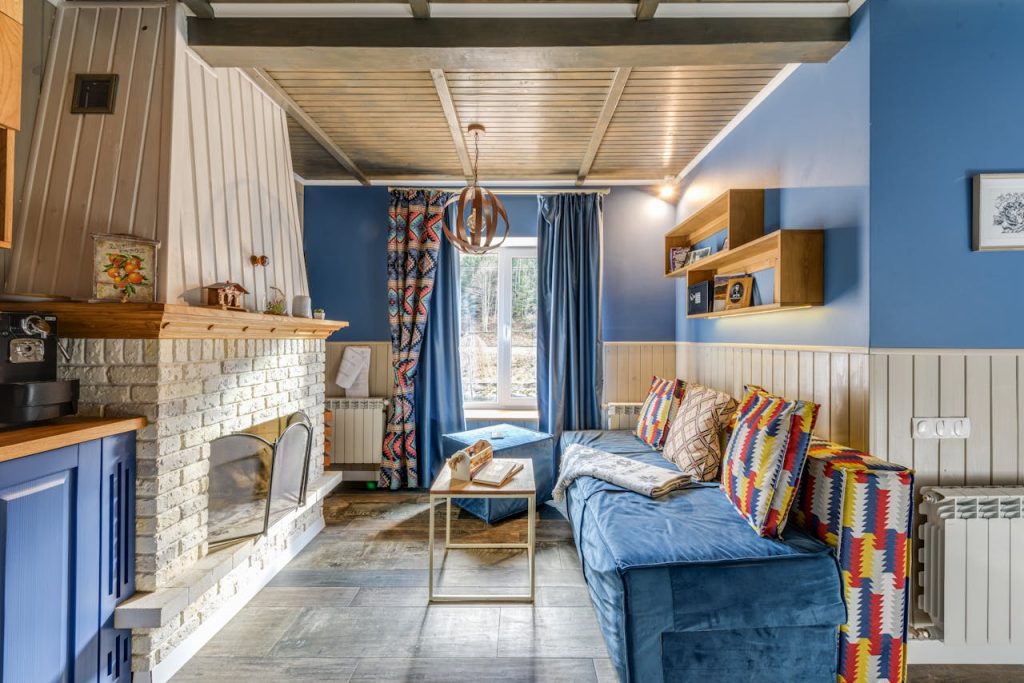 Decluttering is essential when styling compact spaces. A minimalist approach helps prevent the room from feeling cramped or chaotic. This doesn’t mean removing all decorative elements but rather being selective about what you display. Thoughtfully chosen décor—such as a few meaningful pieces of art or a well-curated shelf—can create a refined and intentional look.
Storage solutions should also be both practical and stylish. Hidden storage options, such as beds with built-in drawers or coffee tables with compartments, help keep everyday items out of sight. Baskets, boxes, and organizers can further enhance storage while contributing to the room’s aesthetic.
Lighting is another key element that can transform a small space. Layered lighting—combining ambient, task, and accent lighting—adds depth and warmth. Natural light should be maximized whenever possible by using sheer curtains or keeping windows unobstructed. Well-lit spaces tend to feel larger and more inviting.
Zoning is a smart technique for creating structure within small areas. Even in a single room, you can define different zones for living, working, and sleeping by using rugs, furniture placement, or subtle dividers. This approach makes the space feel more organized and purposeful.
Texture and materials can also elevate a small space without adding clutter. Mixing textures such as wood, metal, fabric, and glass creates visual interest and depth. For example, a soft rug paired with a sleek coffee table or woven baskets can add warmth while maintaining a clean look.
Another impactful idea is incorporating statement pieces. While it may seem counterintuitive, a bold artwork, a unique chair, or a striking light fixture can become a focal point that draws attention away from the room’s size. The key is to balance statement elements with simplicity to avoid overwhelming the space.
This principle perfectly captures the essence of small-space design—prioritizing quality, functionality, and thoughtful simplicity over excess.
Ultimately, transforming a tiny space is about making intentional choices that enhance both form and function. With the right combination of smart furniture, strategic design, and personal touches, even the smallest rooms can feel expansive, stylish, and uniquely yours.
When approached with creativity and purpose, limited space becomes not a challenge, but an opportunity to design something truly remarkable.
Decluttering is essential when styling compact spaces. A minimalist approach helps prevent the room from feeling cramped or chaotic. This doesn’t mean removing all decorative elements but rather being selective about what you display. Thoughtfully chosen décor—such as a few meaningful pieces of art or a well-curated shelf—can create a refined and intentional look.
Storage solutions should also be both practical and stylish. Hidden storage options, such as beds with built-in drawers or coffee tables with compartments, help keep everyday items out of sight. Baskets, boxes, and organizers can further enhance storage while contributing to the room’s aesthetic.
Lighting is another key element that can transform a small space. Layered lighting—combining ambient, task, and accent lighting—adds depth and warmth. Natural light should be maximized whenever possible by using sheer curtains or keeping windows unobstructed. Well-lit spaces tend to feel larger and more inviting.
Zoning is a smart technique for creating structure within small areas. Even in a single room, you can define different zones for living, working, and sleeping by using rugs, furniture placement, or subtle dividers. This approach makes the space feel more organized and purposeful.
Texture and materials can also elevate a small space without adding clutter. Mixing textures such as wood, metal, fabric, and glass creates visual interest and depth. For example, a soft rug paired with a sleek coffee table or woven baskets can add warmth while maintaining a clean look.
Another impactful idea is incorporating statement pieces. While it may seem counterintuitive, a bold artwork, a unique chair, or a striking light fixture can become a focal point that draws attention away from the room’s size. The key is to balance statement elements with simplicity to avoid overwhelming the space.
This principle perfectly captures the essence of small-space design—prioritizing quality, functionality, and thoughtful simplicity over excess.
Ultimately, transforming a tiny space is about making intentional choices that enhance both form and function. With the right combination of smart furniture, strategic design, and personal touches, even the smallest rooms can feel expansive, stylish, and uniquely yours.
When approached with creativity and purpose, limited space becomes not a challenge, but an opportunity to design something truly remarkable.