By Daniel Brooks
March 20, 2026
The global shift toward electric vehicles (EVs) is no longer a distant vision—it is a rapidly accelerating reality. As governments tighten emissions regulations and consumers become more environmentally conscious, EVs are transforming the automotive landscape. What was once considered a niche innovation is now at the forefront of modern transportation, promising cleaner, smarter, and more efficient mobility.
At the heart of an electric vehicle is its battery-powered system, which replaces the internal combustion engine found in traditional cars. Instead of burning fuel, EVs use electric motors powered by rechargeable batteries. This fundamental difference eliminates tailpipe emissions, making EVs a significantly more environmentally friendly option compared to gasoline-powered vehicles.
One of the most compelling advantages of EVs is their efficiency. Electric motors convert a higher percentage of energy into motion than internal combustion engines, resulting in smoother acceleration and quieter operation. Drivers often notice the immediate torque that EVs provide, delivering a responsive and refined driving experience.
Cost savings are another major factor driving adoption. While the upfront cost of some EVs may still be higher than conventional vehicles, long-term savings can be substantial. Electricity is generally more affordable than gasoline, and EVs require less maintenance due to fewer moving parts. There are no oil changes, fewer mechanical failures, and reduced wear on braking systems thanks to regenerative braking technology.
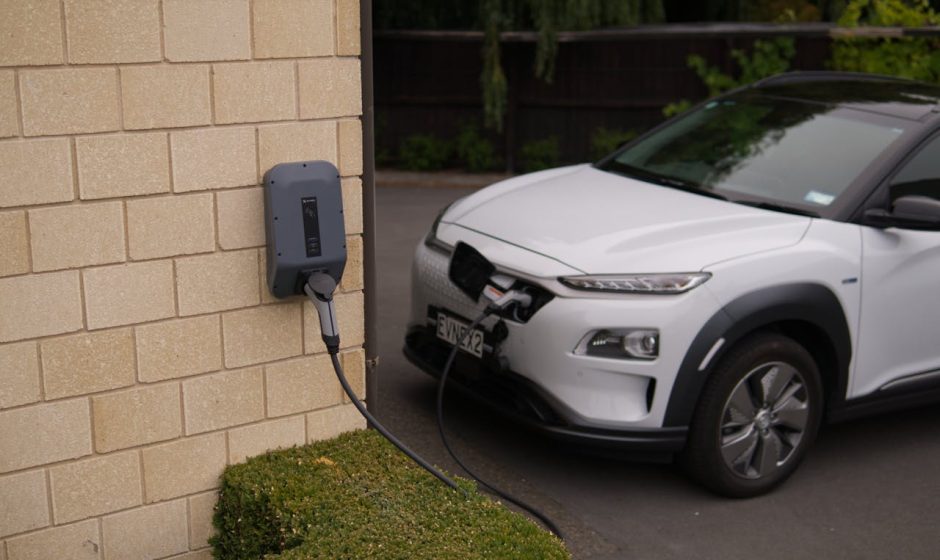
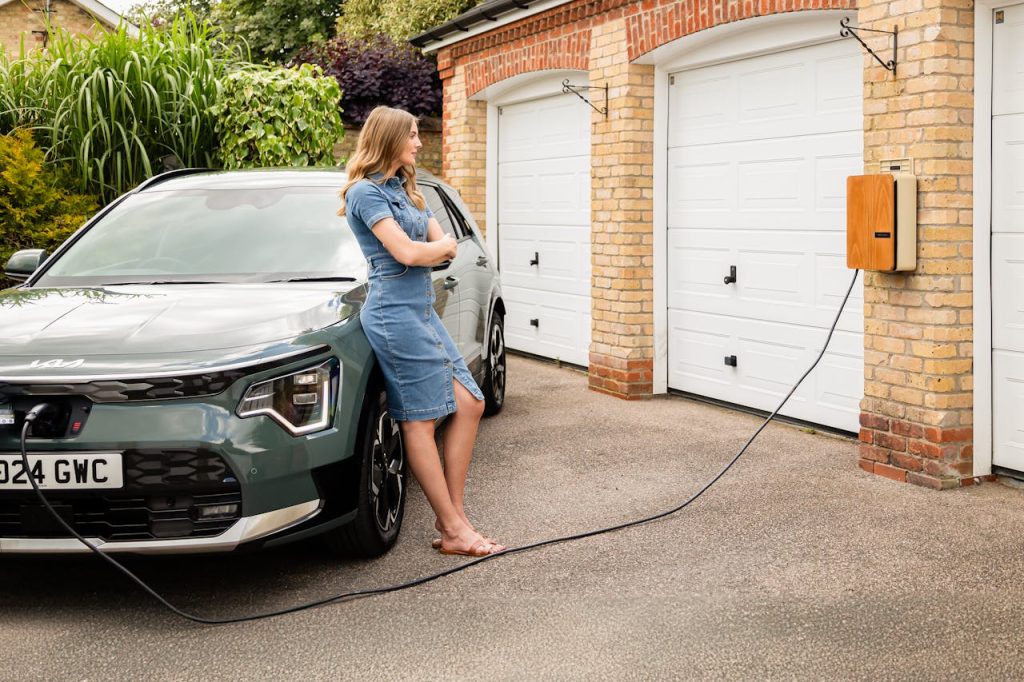
Charging infrastructure has also expanded significantly in recent years. Public charging stations are becoming more accessible in urban areas, highways, and even residential communities. Many EV owners also benefit from home charging solutions, allowing them to conveniently charge their vehicles overnight. As infrastructure continues to improve, range anxiety—the fear of running out of battery power—is becoming less of a concern.
Battery technology has seen remarkable advancements, with modern EVs offering increasingly competitive driving ranges. Many models now provide ranges that comfortably support daily commuting and long-distance travel. Additionally, fast-charging capabilities allow drivers to recharge a significant portion of their battery in a relatively short time, making EVs more practical for a wide range of lifestyles.
 Environmental impact remains one of the strongest arguments for electric vehicles. By reducing greenhouse gas emissions and dependence on fossil fuels, EVs play a critical role in combating climate change. However, it’s important to consider the full lifecycle of the vehicle, including battery production and electricity sources. As renewable energy adoption increases, the overall environmental benefits of EVs will continue to grow.
Technology integration is another defining feature of modern EVs. Many electric vehicles come equipped with advanced software systems, over-the-air updates, and smart connectivity features. These capabilities not only enhance the driving experience but also allow vehicles to improve over time through software enhancements.
Leading manufacturers have played a pivotal role in accelerating EV adoption. Companies like Tesla have set new standards for performance and innovation, while traditional automakers are rapidly expanding their electric portfolios. This growing competition is driving innovation and making EVs more accessible to a broader audience.
Government policies and incentives are also shaping the future of electric mobility. Tax credits, rebates, and infrastructure investments are encouraging consumers to make the switch. At the same time, many countries have announced plans to phase out the sale of new gasoline-powered vehicles in the coming decades, further reinforcing the transition to electric transportation.
Despite their many advantages, EVs are not without challenges. Charging infrastructure, while improving, is still uneven in some regions. Battery production requires significant resources, and recycling systems are still evolving. However, ongoing research and investment are addressing these issues, paving the way for a more sustainable future.
As visionary entrepreneur Elon Musk once said,
Environmental impact remains one of the strongest arguments for electric vehicles. By reducing greenhouse gas emissions and dependence on fossil fuels, EVs play a critical role in combating climate change. However, it’s important to consider the full lifecycle of the vehicle, including battery production and electricity sources. As renewable energy adoption increases, the overall environmental benefits of EVs will continue to grow.
Technology integration is another defining feature of modern EVs. Many electric vehicles come equipped with advanced software systems, over-the-air updates, and smart connectivity features. These capabilities not only enhance the driving experience but also allow vehicles to improve over time through software enhancements.
Leading manufacturers have played a pivotal role in accelerating EV adoption. Companies like Tesla have set new standards for performance and innovation, while traditional automakers are rapidly expanding their electric portfolios. This growing competition is driving innovation and making EVs more accessible to a broader audience.
Government policies and incentives are also shaping the future of electric mobility. Tax credits, rebates, and infrastructure investments are encouraging consumers to make the switch. At the same time, many countries have announced plans to phase out the sale of new gasoline-powered vehicles in the coming decades, further reinforcing the transition to electric transportation.
Despite their many advantages, EVs are not without challenges. Charging infrastructure, while improving, is still uneven in some regions. Battery production requires significant resources, and recycling systems are still evolving. However, ongoing research and investment are addressing these issues, paving the way for a more sustainable future.
As visionary entrepreneur Elon Musk once said,
“The future is sustainable energy.”
His statement reflects the broader movement toward cleaner technologies and the role EVs play in that transformation.
Ultimately, electric vehicles represent more than just a technological shift—they signal a fundamental change in how we think about transportation. With continued advancements in battery technology, infrastructure, and policy support, EVs are poised to become the standard rather than the exception.
For consumers, the transition to electric offers an opportunity to embrace innovation while contributing to a more sustainable world. The future of mobility is electric—and it’s arriving faster than ever.