
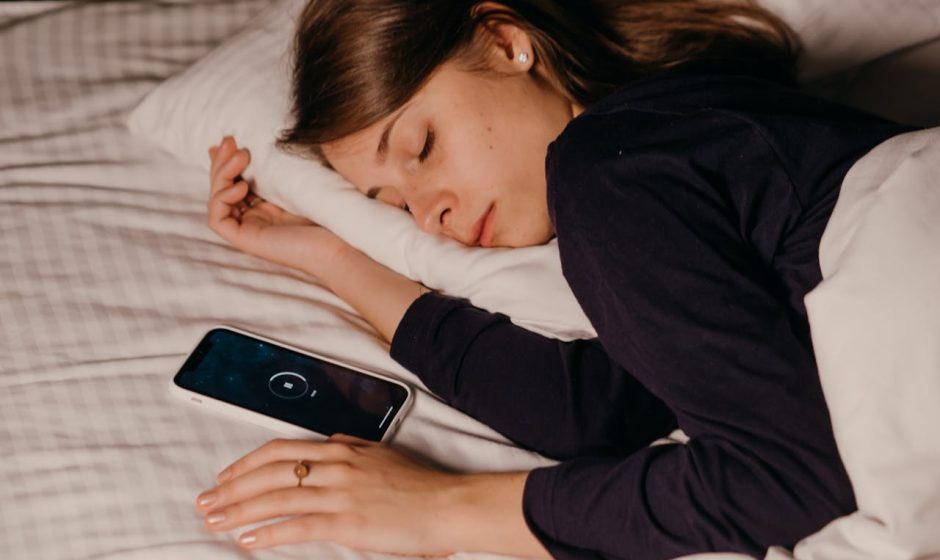

Technology, while essential in modern life, is one of the biggest disruptors of sleep. The blue light emitted from smartphones, tablets, and laptops interferes with the production of melatonin—the hormone responsible for signaling sleep. Reducing screen time at least 30 to 60 minutes before bed can make a noticeable difference. Replacing screen use with calming activities such as reading, journaling, or gentle stretching can help ease the transition into sleep. Another key factor is your evening routine. Just as a structured morning sets the tone for the day, a calming nighttime routine signals the body that it’s time to wind down. This could include taking a warm shower, dimming the lights, or practicing mindfulness techniques. Over time, these cues condition the brain to associate certain behaviors with sleep, making it easier to fall asleep naturally. Diet and lifestyle choices also influence sleep quality. Consuming caffeine late in the day can interfere with your ability to fall asleep, as its stimulating effects can last for several hours. Similarly, heavy meals close to bedtime may cause discomfort and disrupt rest. Opting for lighter evening meals and limiting caffeine intake after the afternoon can support better sleep.“Sleep is the single most effective thing we can do to reset our brain and body health each day.”
 Physical activity is another powerful tool for improving sleep. Regular exercise helps regulate the body’s internal clock and reduces stress, both of which contribute to better rest. However, timing matters—intense workouts too close to bedtime can have the opposite effect by increasing alertness. Aim to complete exercise earlier in the day or at least a few hours before sleeping.
Stress and mental overactivity are often overlooked contributors to poor sleep. Racing thoughts, anxiety, and unresolved worries can keep the mind active long after the body is ready to rest. Techniques such as deep breathing, meditation, or writing down thoughts before bed can help quiet the mind and create a sense of calm.
Napping habits should also be considered. While short naps can be refreshing, long or irregular daytime naps can interfere with nighttime sleep. Keeping naps brief—around 20 to 30 minutes—and avoiding them late in the day helps maintain a healthy sleep cycle.
Exposure to natural light during the day is another simple yet effective strategy. Sunlight helps regulate the circadian rhythm, making it easier to stay alert during the day and fall asleep at night. Even a short walk outdoors in the morning can positively impact your sleep patterns.
Improving sleep quality doesn’t require drastic changes—just consistent, intentional habits. By creating a supportive environment, managing daily routines, and listening to your body’s natural rhythms, you can transform the way you rest.
In the long run, better sleep isn’t just about feeling refreshed—it’s about building a stronger, healthier foundation for everything you do.
Physical activity is another powerful tool for improving sleep. Regular exercise helps regulate the body’s internal clock and reduces stress, both of which contribute to better rest. However, timing matters—intense workouts too close to bedtime can have the opposite effect by increasing alertness. Aim to complete exercise earlier in the day or at least a few hours before sleeping.
Stress and mental overactivity are often overlooked contributors to poor sleep. Racing thoughts, anxiety, and unresolved worries can keep the mind active long after the body is ready to rest. Techniques such as deep breathing, meditation, or writing down thoughts before bed can help quiet the mind and create a sense of calm.
Napping habits should also be considered. While short naps can be refreshing, long or irregular daytime naps can interfere with nighttime sleep. Keeping naps brief—around 20 to 30 minutes—and avoiding them late in the day helps maintain a healthy sleep cycle.
Exposure to natural light during the day is another simple yet effective strategy. Sunlight helps regulate the circadian rhythm, making it easier to stay alert during the day and fall asleep at night. Even a short walk outdoors in the morning can positively impact your sleep patterns.
Improving sleep quality doesn’t require drastic changes—just consistent, intentional habits. By creating a supportive environment, managing daily routines, and listening to your body’s natural rhythms, you can transform the way you rest.
In the long run, better sleep isn’t just about feeling refreshed—it’s about building a stronger, healthier foundation for everything you do.