By Grace Mitchell
April 9, 2026
Start with Small and Consistent Decluttering Habits
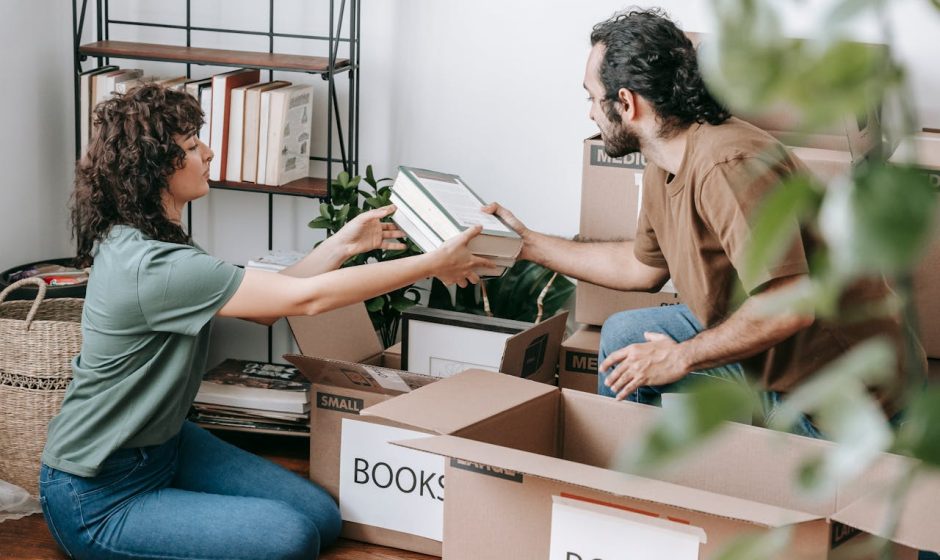
Decluttering is often seen as a large, time-consuming task that requires an entire day or weekend, but in reality, the most effective decluttering comes from small and consistent habits. A peaceful space is usually not the result of one big cleaning session but rather the result of small actions repeated daily. When items begin to pile up on tables, shelves, and corners, a space can quickly start to feel crowded and stressful. By creating simple decluttering habits, you can prevent clutter from building up in the first place. One of the easiest habits to start with is the “one-minute reset,” where you spend a minute or two putting items back in their place before leaving a room. This small habit can prevent clutter from spreading and keeps your space looking organized without much effort. Another helpful habit is to avoid leaving items on surfaces unless they are used daily. Clear surfaces often make a room feel calmer and more open. Instead of placing items randomly, designate a specific place for commonly used items so they are easy to find and easy to put away. Decluttering becomes much easier when everything has a place. Over time, these small habits reduce the need for large cleaning sessions and help maintain a peaceful environment consistently. The goal is not to remove everything from your space but to keep only what is useful, meaningful, or necessary for your daily life. When you focus on small, manageable habits, decluttering becomes part of your routine instead of a task you keep postponing.
Create Systems That Prevent Clutter from Building Up
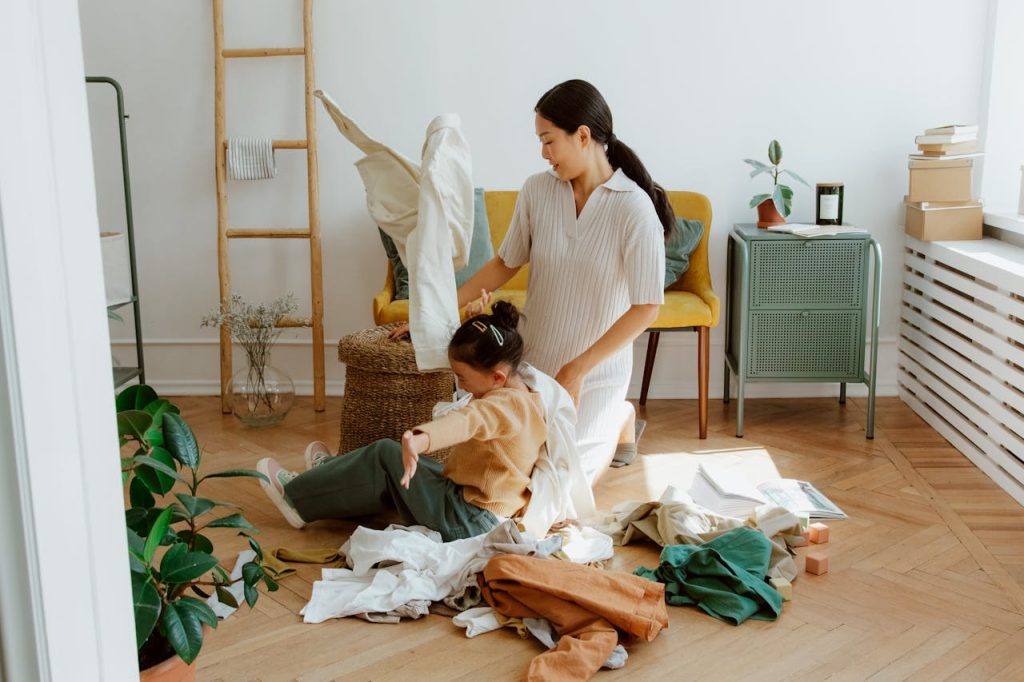
One of the main reasons clutter keeps returning is because there is no system in place to manage everyday items. Creating simple systems for storage and organization can make a big difference in maintaining a peaceful space. For example, having baskets, boxes, or shelves for different categories of items helps keep everything organized and easy to access. When items are grouped and stored properly, it becomes easier to maintain order. Another useful habit is the “one in, one out” rule. Whenever you bring a new item into your space, consider removing an old or unused item. This habit helps prevent accumulation over time and keeps your space balanced. It also encourages more thoughtful decisions about what you keep in your space. Another system that works well is setting aside a few minutes at the end of each day to reset your space. This could include putting items back in their place, clearing surfaces, and organizing small items. This daily reset helps maintain order and ensures that clutter does not build up over time. A peaceful space is easier to maintain when you have simple systems rather than relying on occasional deep cleaning. Organization systems do not need to be complicated; even simple labeled boxes, drawers, or shelves can make a big difference. The easier it is to put things away, the more likely you are to keep your space organized. When your space is organized and clutter is controlled, it becomes easier to relax and focus on your daily activities without feeling distracted or overwhelmed by your surroundings.
Be Mindful About What You Keep
Decluttering is not only about organizing items but also about being mindful of what you choose to keep in your space. Many people hold onto items they no longer use simply because they might need them someday or because they feel attached to them. However, keeping too many unnecessary items can make a space feel crowded and disorganized. A helpful approach is to periodically review your belongings and decide what you truly use and value. If something has not been used in a long time and does not serve a purpose, it may be time to let it go. This does not mean removing everything from your space but rather being intentional about what stays. A peaceful space often contains fewer but more meaningful and useful items. Another helpful habit is to avoid impulse accumulation. Before adding new items to your space, consider whether they are truly necessary and where they will be stored. This simple habit can prevent clutter from building up in the future. Being mindful about what you keep helps maintain balance and prevents your space from becoming overcrowded. Over time, this habit helps create a more organized and comfortable environment where everything has a purpose and a place.

Maintain a Regular Reset Routine
Even with good decluttering habits and organization systems, maintaining a peaceful space requires regular upkeep. A reset routine helps keep your space organized and prevents clutter from slowly returning. This reset routine does not need to be long or complicated. Spending a few minutes each day putting items back in place, organizing small items, and clearing surfaces can keep your space consistently organized. A weekly reset can also help review items, organize storage spaces, and making small adjustments to your organization systems. Regular resets help maintain order and prevent clutter from becoming overwhelming. Another important part of maintaining a peaceful space is keeping decorations and items balanced. Too many decorative items or furniture pieces can make a space feel crowded, even if it is clean. Keeping decorations simple and leaving some space in a room can make the environment feel more open and calm. Space is just as important as organized space when it comes to creating a peaceful environment. A calm and peaceful space is not created in one day but through consistent habits and small daily actions. Over time, these habits become automatic and maintaining a peaceful space becomes much easier. Decluttering habits are not about perfection but about consistency and mindfulness. By starting with small habits, creating simple organization systems, being mindful about what you keep, and maintaining a regular reset routine, you can create a space that feels calm, organized, and peaceful every day. A peaceful environment can make daily life feel more manageable, reduce stress, and help you feel more comfortable and relaxed in your own space. Small changes in daily habits can lead to big improvements in how your space looks and feels over time, and the key is to focus on consistency rather than trying to do everything at once.